
Liquid Flow Sensors for Physiological Research
Measure liquid flow in laboratory tubing with ultrasonic clamp-on and low-flow, flow-through sensors. Record and analyze flow alongside pressure, ECG, and other physiological signals with iWorx data acquisition and LabScribe software.

Monitor liquid flow without placing the sensor in the fluid path. SONOFLOW CO.55 sensors clamp around compatible flexible tubing and use ultrasound to measure the liquid moving inside.
No direct contact between the sensor and liquid
Tubing can be removed and replaced
Connects to compatible iWorx recorders through the A-SONOTEC adapter

Measure low liquid flow rates as fluid passes through the sensor’s internal channel. Sensirion flow-through sensors use thermal measurement technology.
Flow-through design for low-flow liquid measurements
Sensor forms part of the fluid path
Connects to compatible iWorx recorders through the A-SENSIRION adapter
Ultrasonic Clamp-on vs. Liquid Flow-through Fluid Sensors
Both options measure liquid flow, but they work differently and suit different setups.
| SONOFLOW Clamp-on (High Flow) | Sensirion Liquid Flow-through (Low Flow) | |
|---|---|---|
| How it measures | Uses ultrasound. It compares the travel time of sound moving with and against the liquid; the difference is used to calculate flow. | Uses a thermal measurement principle. A small heater and temperature sensors detect how flowing liquid carries heat downstream. |
| How it connects | The tube is placed into the sensor, which clamps around it. The sensor does not contact the liquid. | The liquid passes through the sensor’s internal flow channel, so the sensor is part of the fluid path. |
| Good fit for | Monitoring flow without opening the line or adding wetted sensor parts. The easy tube change and lack of liquid contact can be useful where hygienic handling and avoiding contamination or leaks matter. | Measuring very low flow rates where the liquid needs to pass directly through the sensor. The offered 40, 5, and 1 mL/min options provide choices for different flow rates; the lower-flow options are intended for applications such as Langendorff perfusion. |
Flow Measurement for Perfusion and Cardiovascular Research

Langendorff and Isolated-Heart Perfusion
Monitor perfusate flow as part of your isolated-heart experiment. In constant-pressure Langendorff studies, changes in flow provide information about changes in vascular resistance. iWorx can provide the hardware and software suited to your preparation’s flow range and perfusion fluid.
Cardiovascular Research
Combine tubing-based flow measurements with blood pressure, ECG, or other physiological signals using a suitably configured iWorx system.
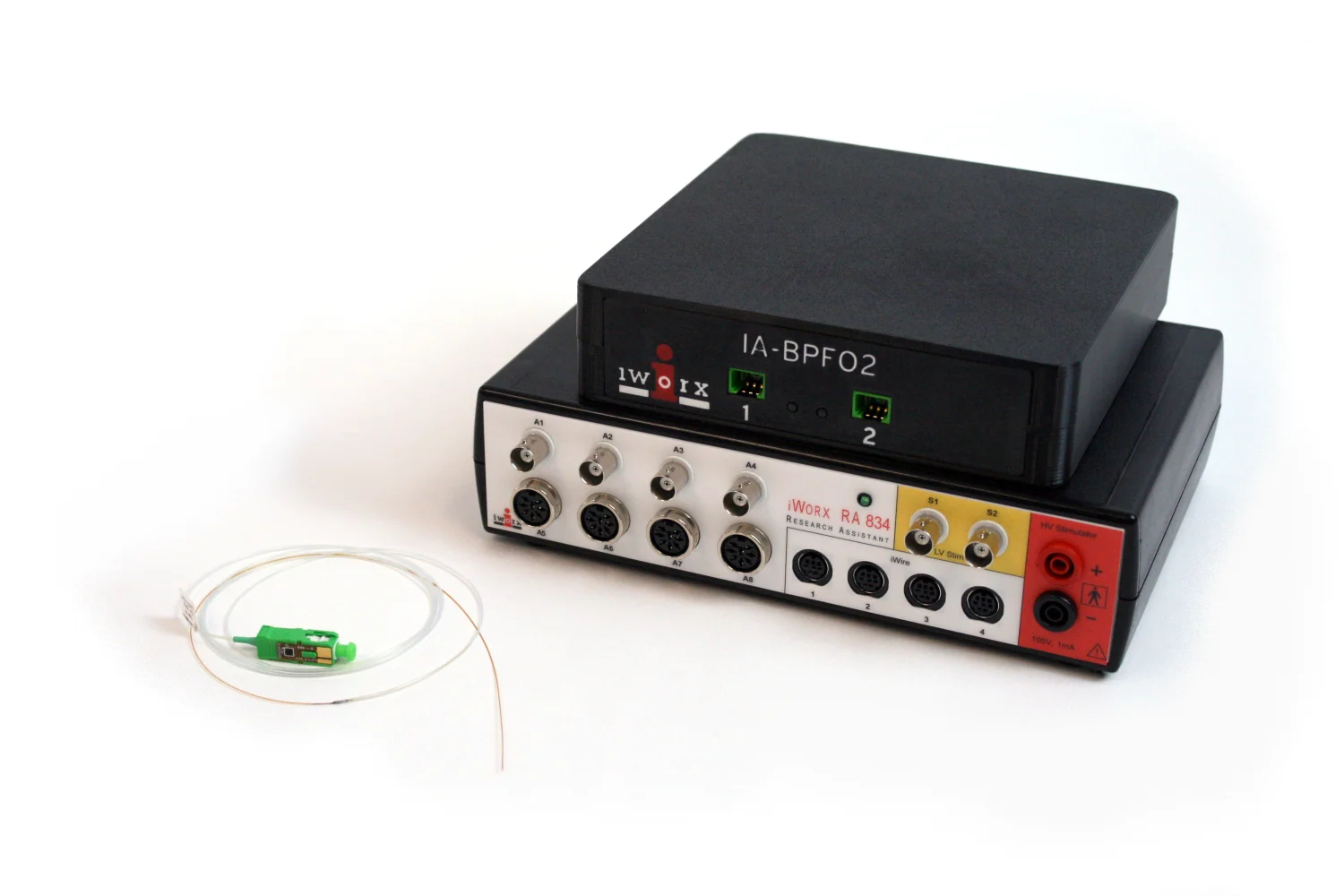

Laboratory Fluid Monitoring
Follow liquid flow through pump-driven tubing and recirculating laboratory setups.
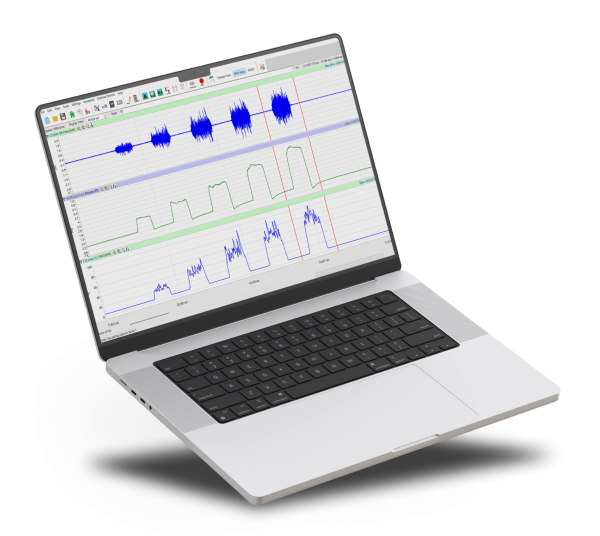

Record and Analyze Flow Data with LabScribe
Bring your flow measurements into LabScribe data acquisition and analysis software. Display calibrated flow signals, mark experimental events, and review selected sections of a recording.
- View flow alongside other recorded physiological signals
- Measure minimum, maximum, and mean values within a selected interval
- Add annotations to identify interventions and protocol changes
- Export recordings and analysis results for further processing
Flow Sensor Frequently Asked Questions
Not sure which sensor is right for your experemnt? Here are answers to common questions.
How do I choose between clamp-on and flow-through sensors?
Start with your expected flow range, tubing dimensions, liquid, and whether the sensor can become part of the fluid path. iWorx can help you compare suitable sensor and recorder configurations.
What does non-contact flow measurement mean?
Non-contact means the sensor measures flow without touching the liquid. The SONOFLOW CO.55 clamps around compatible tubing and uses ultrasound to measure the liquid flowing inside, keeping the sensor outside the fluid path.
How do I calibrate a SONOFLOW sensor?
Follow the iWorx SONOFLOW calibration guide to set up the sensor and establish flow values for your recording configuration.
How do I calibrate a Sensirion sensor?
Follow the iWorx Calibrate Sensirion Flow Sensors guide to set up the sensor and establish flow values for your recording configuration.
Find the Right Flow Sensor for Your Research
Tell us your expected flow range, tubing size, fluid, and the measurements you want to collect. Our team can recommend a sensor and compatible recording configuration for your experiment.