Prepulse Inhibition (PPI) is a neurological phenomenon in which a weaker prestimulus (prepulse) inhibits the reaction of a subject to a subsequent strong startling stimulus (pulse). The stimuli are normally acoustic, but tactile stimuli, such as air puffs onto the skin and light stimuli, can also be used.
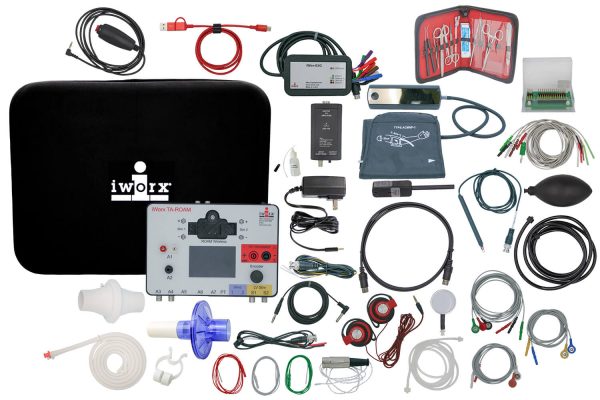
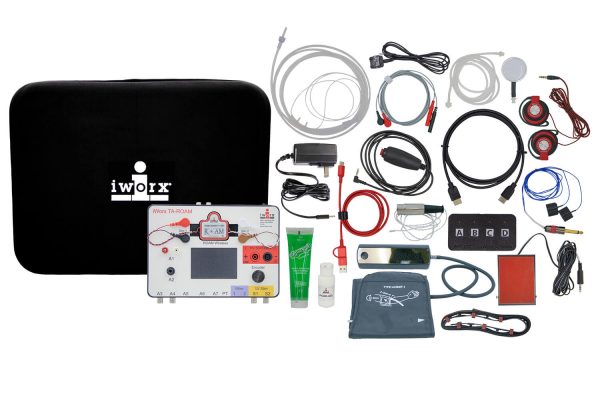
In this lab, students use a series of sounds to elicit the subject’s Prepulse Inhibition to a startle stimulus. EOG recording of eye-blinks is used to measure the startle reflex. In addition to sound, pulse, skin conductance, blood pressure, respiration, body temperature, heart rate and breathing rate can also be measured.