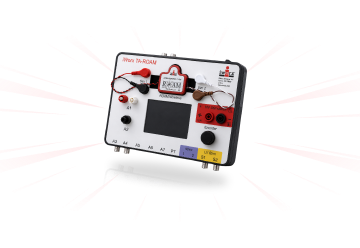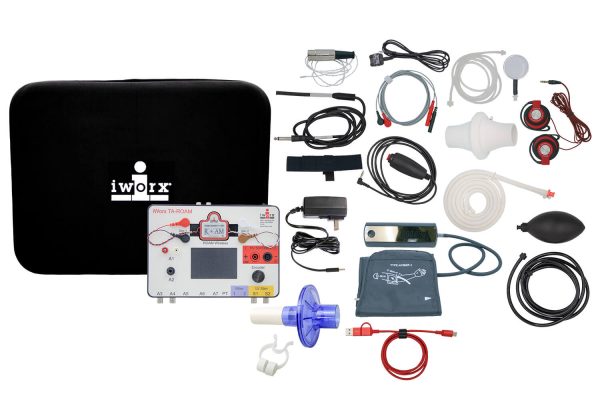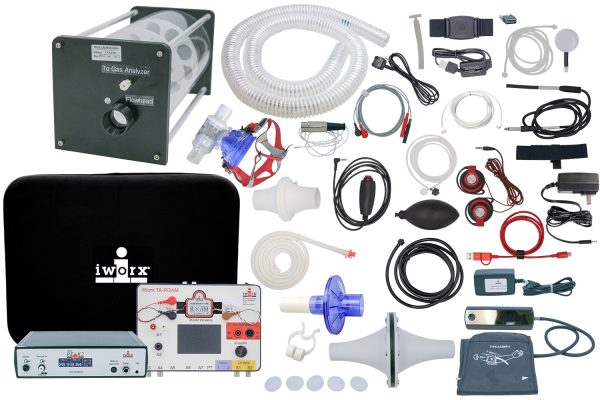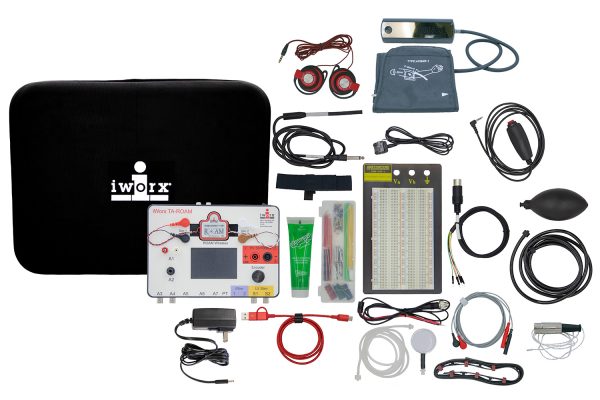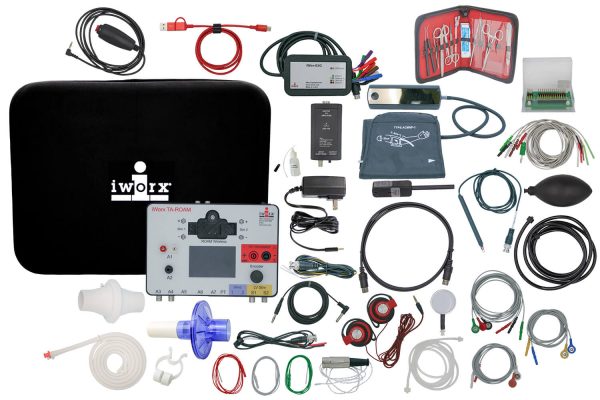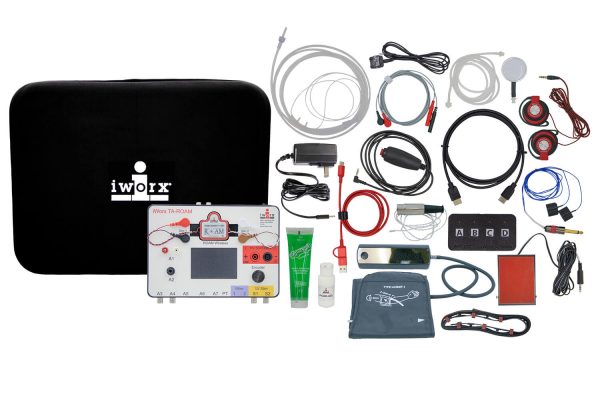


The iWorx IX-ERP System makes it easy to record and analyze Event-Related Potentials (ERPs), including the widely studied P300 response. Designed for teaching and research laboratories, the system combines EEG recording, automated stimulus presentation, and analysis tools into one streamlined platform.
Using built-in auditory and visual “oddball” paradigms, students and researchers can quickly collect data that demonstrates how the brain responds to important or unexpected events. The result is a clear, measurable P300 waveform that helps illustrate concepts related to attention, perception, and cognitive processing.
What is an ERP recording?
An Event-Related Potential (ERP) recording is a measurement of the brain’s electrical response to a specific sensory, cognitive, or motor event. ERPs are derived from EEG recordings and help researchers study how the brain processes information.
What is the P300 response?
The P300 is a positive-going ERP waveform that typically appears about 300 milliseconds after a person detects an infrequent or meaningful stimulus. It is commonly used to study attention, decision-making, and cognitive processing.
How are ERPs recorded?
ERPs are recorded using EEG electrodes placed on the scalp while participants respond to stimuli such as sounds, images, or videos. By averaging multiple responses, the brain’s activity related to a specific event becomes visible.
What is the difference between EEG and ERP?
EEG records ongoing electrical activity from the brain. ERPs are extracted from EEG data and focus on the brain’s response to specific events or stimuli, allowing researchers to examine cognitive processes with greater precision.
Can the IX-ERP System be used for teaching?
Absolutely! The IX-ERP System includes built-in auditory and visual “oddball” paradigms, automated event marking, and integrated analysis tools, making it well suited for neuroscience, psychology, and cognitive science laboratory courses.
Can I export ERP data for additional analysis?
Yes. Data from labscribe can be exported in multiple formats for use with applications such as EEGLAB, MATLAB, PsychoPy, OpenSesame, and other EEG analysis environments.